
Specializing in special-purpose vehicles and multi-domain collaborative solutions.

Specializing in special-purpose vehicles and multi-domain collaborative solutions
Possesses efficient industry-specific solutions across various domains
Industry Overview
"Vehicle + Command System" solutions have wide applications. There are multiple mature industry solutions already deployed in areas such as drone command, civil air defense command, fire emergency command, ambulance emergency command, airport emergency command, and mobile emergency command. Tailored solutions can be provided for command systems based on specific needs.

Environmental Monitoring: In the event of unforeseen external circumstances, communications may be affected. Therefore, communication and command vehicles are equipped with both internal and external environmental monitoring devices. These monitor ambient temperature, humidity, wind speed, and hazardous gases to ensure the vehicle maintains a comfortable and safe working environment. The built-in vehicle air conditioning system also helps ensure all critical mission communication systems operate within safe temperature ranges.

Emergency Power Generation: Most operational communication and command vehicles require some form of on-site mobile power supply. The majority can be equipped with vehicle-mounted diesel generators (optional), with a power output ranging from 8 kW to 30 kW. These are installed in well-ventilated and insulated compartments, typically located near the rear of the vehicle, to reduce internal noise and enhance in-vehicle comfort.
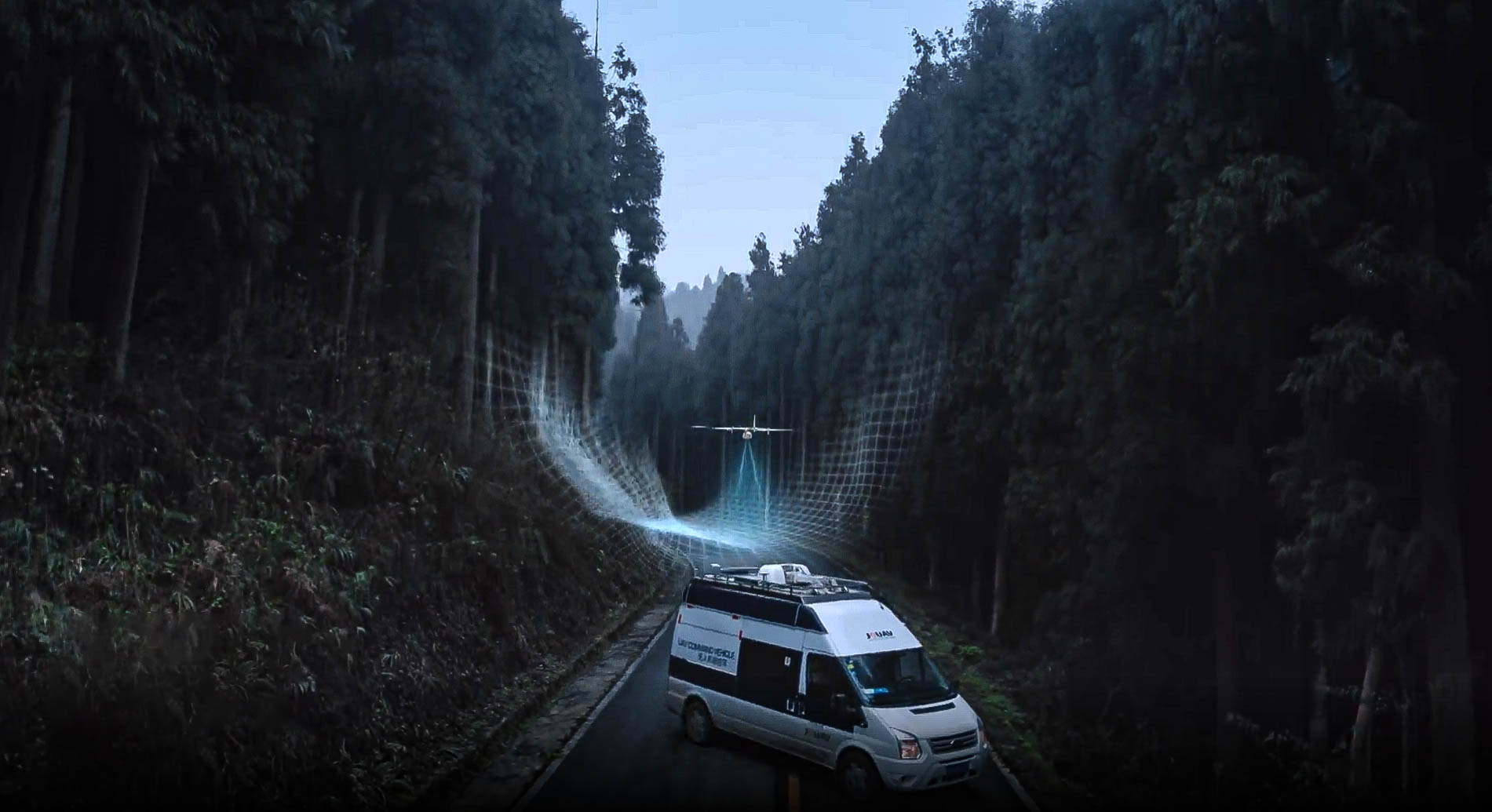
Wireless communication terminals: Without communication phones (including satellite phones), the usage of mobile communication command vehicles will be restricted. Depending on budget and purpose, one can find communication command vehicles equipped with various communication functions. Basically, communication command vehicles provide some form of telephone access, starting from a predetermined number. Most standard systems rely on private branch exchange (PBX) systems with fixed telephone and cellular network capabilities. It also facilitates access to broadcasting and audio/video (A/V) technology.
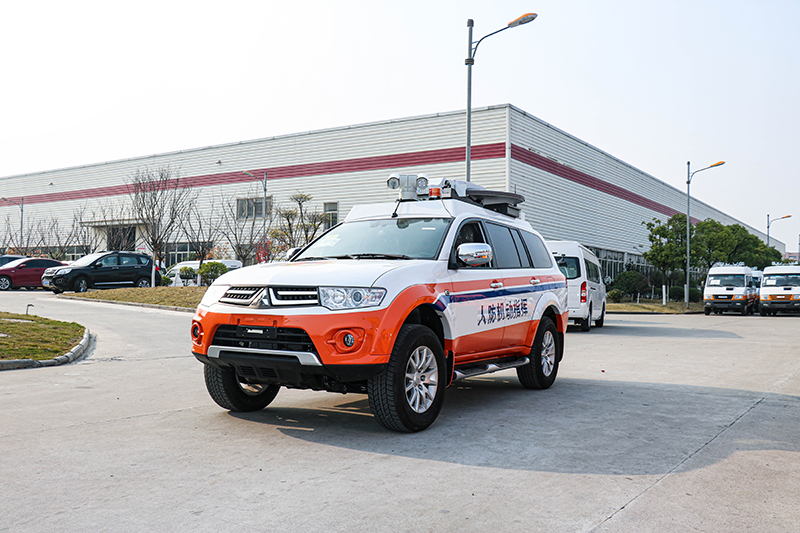
Satellite System: In addition to basic communication equipment, communication and command vehicle solutions also include VSAT automatic satellite acquisition systems, enabling the command center to access remote locations via the network. This means users can stay informed of the latest news by accessing the internet and receive important weather updates. The satellite system also ensures that users always have a means of communication even if other conventional communication technology resources fail or become unavailable.
Regarding satellite network connectivity, LTE network connectivity represents a significant advancement over basic communication command vehicles, also providing access to public or private 4G and LTE networks. Nationwide, responders can utilize this capability, opting for connections via either satellite networks or public LTE networks. Communication command vehicles are equipped with LTE routers and repeaters, allowing users to access and extend signals as needed.
Regarding satellite network connectivity, LTE network connectivity represents a significant advancement over basic communication command vehicles, also providing access to public or private 4G and LTE networks. Nationwide, responders can utilize this capability, opting for connections via either satellite networks or public LTE networks. Communication command vehicles are equipped with LTE routers and repeaters, allowing users to access and extend signals as needed.

Indoor Lighting: A communication command vehicle can utilize ambient and efficient resources for interior lighting. These bulbs offer a long lifespan, low energy costs, and excellent reliability and durability. If we manage critical and time-sensitive platforms, night operations are often required. This makes such a combination essential.
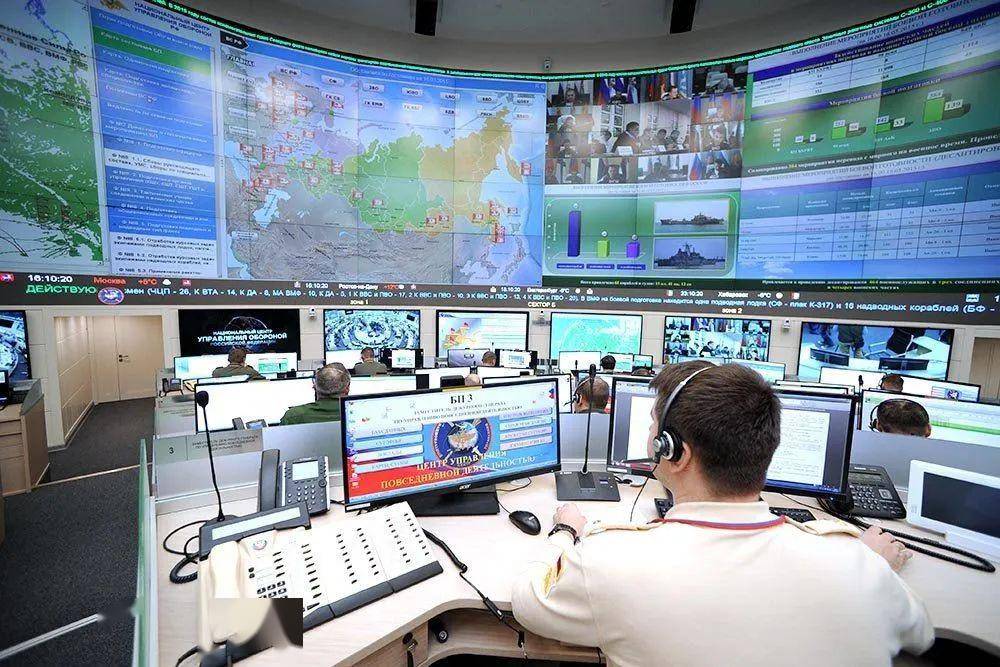
Adequate Storage Space: A well-organized communication command vehicle is effective. Hardware and accessories do not interfere with the workspace, as users can stow them in rear storage compartments. There are numerous options available, ranging from standard metal storage cabinets to specialized equipment cabinets and racks. Utilizing this space helps maintain a clean environment and ensures proper functionality.
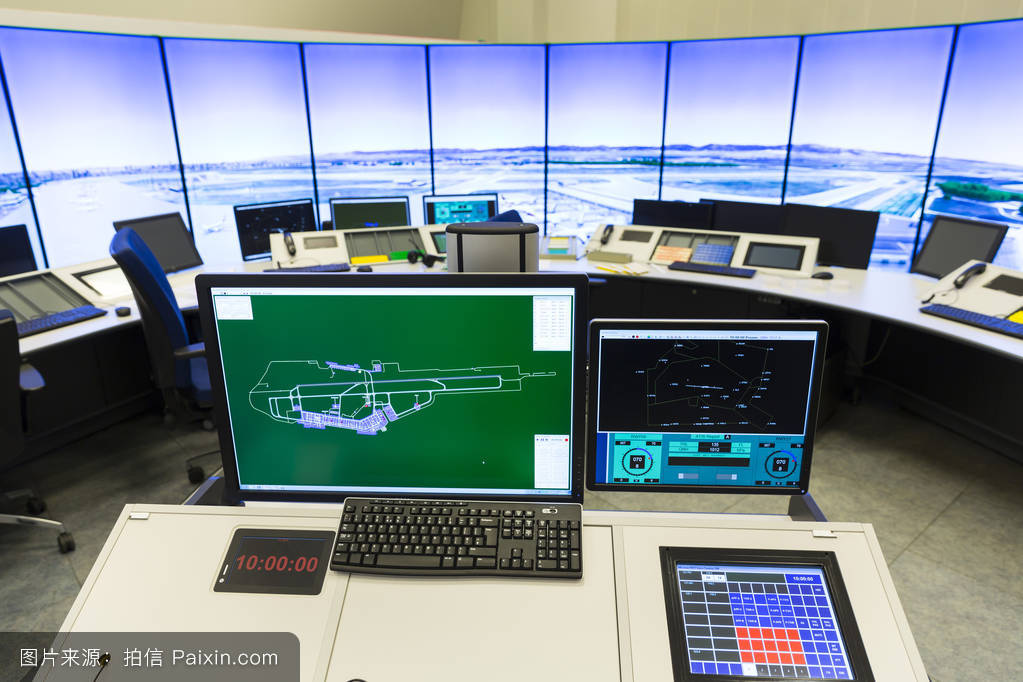
Mast: Communication command vehicles incorporate various antenna types, thus requiring a mast. The lifting height ranges from 30 feet to 80 feet, significantly expanding the antenna's coverage area compared to roof-mounted versions. Additionally, the antenna mast (including the movable antenna arm) creates a platform where users can install antennas for ground mobile radios and repeaters, such as cellular extension antennas, WLAN/WAN antennas, weather station equipment, TV antennas, HAM radio antennas, and video surveillance equipment.
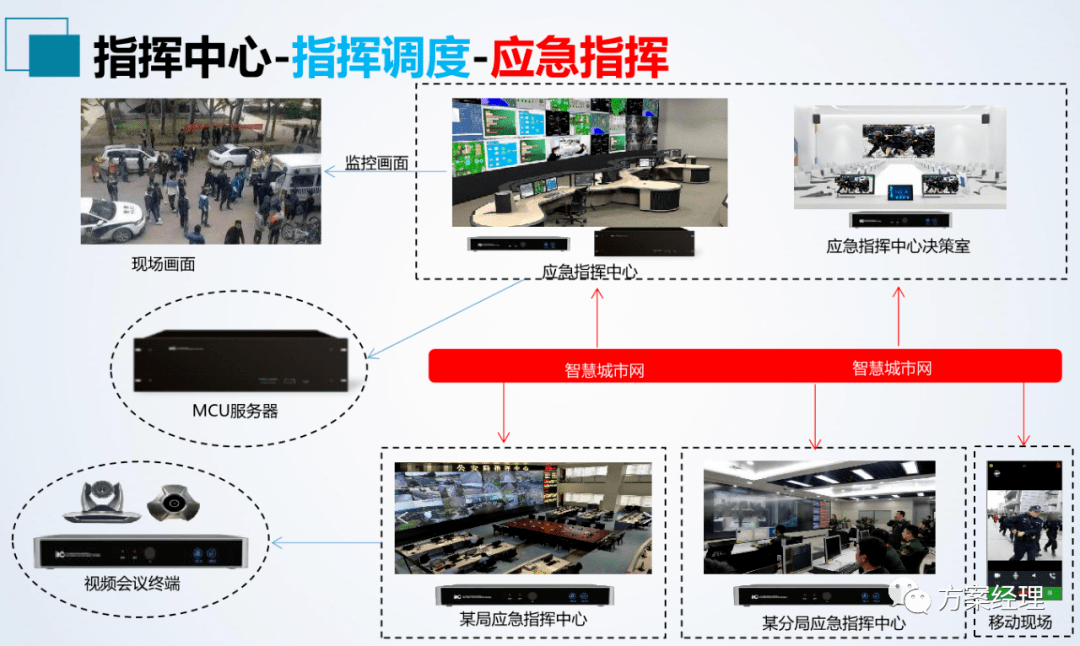
Meeting Setup: Emergency personnel rely on communication command vehicles to hold impromptu meetings for strategy discussions. The ideal environment for such discussions is a meeting room. Communication command vehicles should be equipped with tables and chairs within the meeting area to accommodate the required number of personnel. In some cases, trailers with slide-out mechanisms can provide additional internal space and external storage beneath the floor.
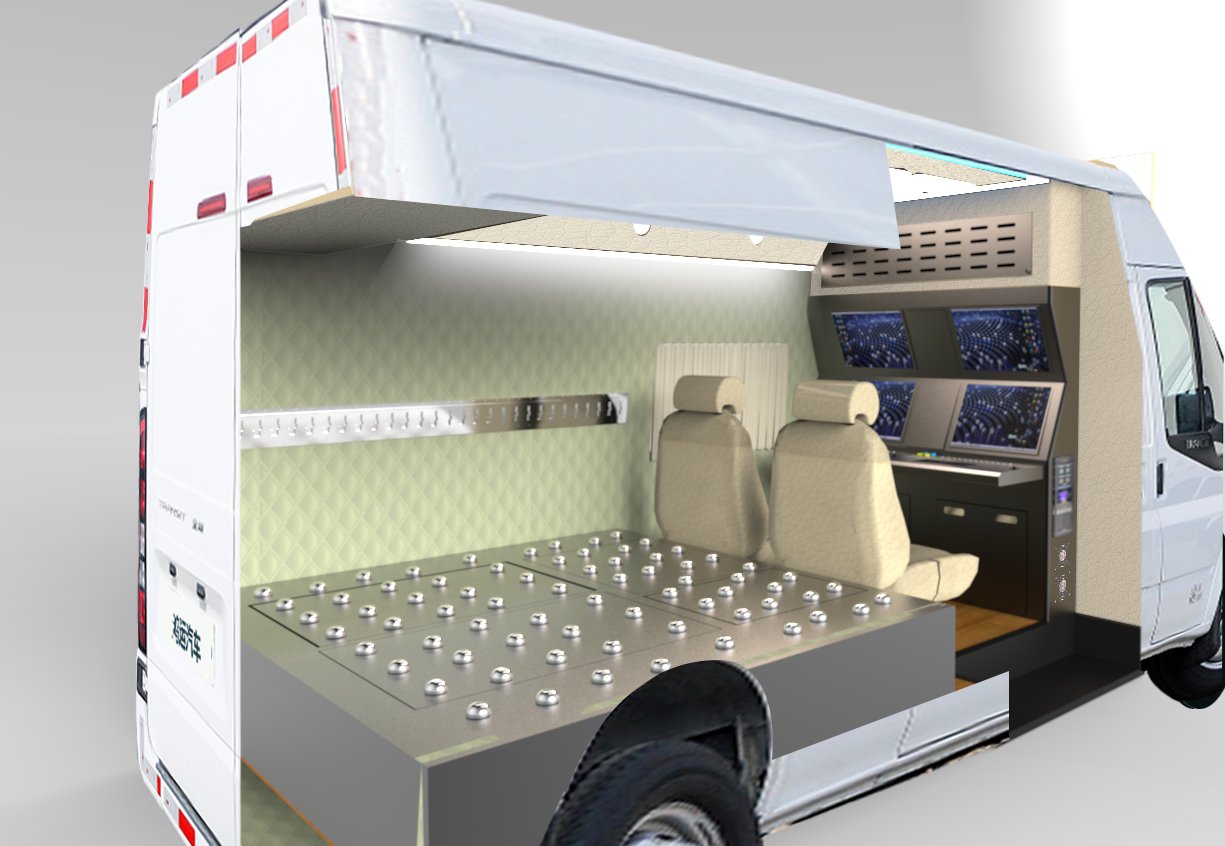
Multiple Workstations: By installing each workstation, users gain convenient and immediate access to the required systems. Depending on the size and scale of the communication command vehicle to be deployed, these workstations include LED TVs, computers, and touchscreen tablets.
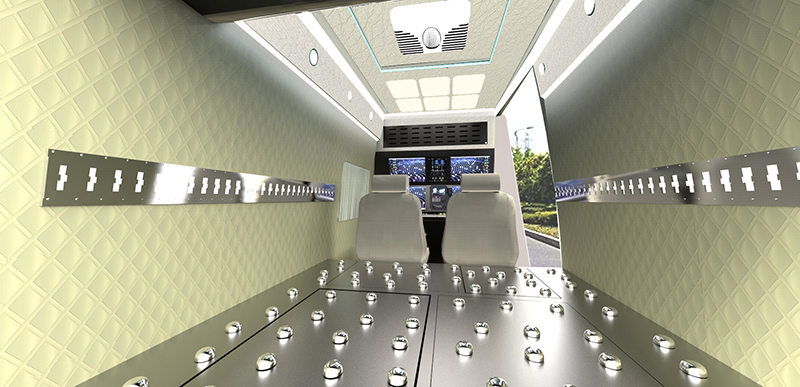
Application Scenarios: Widely used for emergency services in urban incidents such as public security, medical, traffic, fire alarms, earthquake relief, and disaster response. In addition to providing switching functions, they also offer mobile network and radio communication capabilities. Communication support systems include power distribution, antennas, lightning protection, environmental monitoring, lighting systems, and air conditioning systems.
Emergency command vehicles possess excellent mobility and mobile communication performance, meeting the real-time transmission requirements of data, video, and other information between the frontline emergency support site and the rear command center. Serving as the communication hub, information center, and command center at disaster rescue sites, these vehicles form the neural network and support system for reporting conditions upwards and issuing orders downwards.
Through an optimized integration of multiple communication methods—including satellite, wireless, wired, and computer communications—with audio/video capture, audio/video processing, real-time image transmission, and communication dispatch management platforms, the system's stability and mobility are maximized. This ensures rapid arrival at the scene and enables quick networking with the command center anytime, anywhere, facilitating real-time multimedia communication interactions (voice, data, and images) with command centers at all levels. The system implements multifunctional dispatch and command operations such as control, switching, decision-making, inquiry, and recording.
This achieves mutual communication between the scene and the command system, fulfilling the requirements for remote command and communication with relevant departments. In response to emergencies like sudden disasters, it can provide timely and accurate information in a flexible and mobile manner to facilitate command and decision-making by the command center, while also helping to bring the on-site emergency situation under control as quickly as possible.
Emergency command vehicles possess excellent mobility and mobile communication performance, meeting the real-time transmission requirements of data, video, and other information between the frontline emergency support site and the rear command center. Serving as the communication hub, information center, and command center at disaster rescue sites, these vehicles form the neural network and support system for reporting conditions upwards and issuing orders downwards.
Through an optimized integration of multiple communication methods—including satellite, wireless, wired, and computer communications—with audio/video capture, audio/video processing, real-time image transmission, and communication dispatch management platforms, the system's stability and mobility are maximized. This ensures rapid arrival at the scene and enables quick networking with the command center anytime, anywhere, facilitating real-time multimedia communication interactions (voice, data, and images) with command centers at all levels. The system implements multifunctional dispatch and command operations such as control, switching, decision-making, inquiry, and recording.
This achieves mutual communication between the scene and the command system, fulfilling the requirements for remote command and communication with relevant departments. In response to emergencies like sudden disasters, it can provide timely and accurate information in a flexible and mobile manner to facilitate command and decision-making by the command center, while also helping to bring the on-site emergency situation under control as quickly as possible.
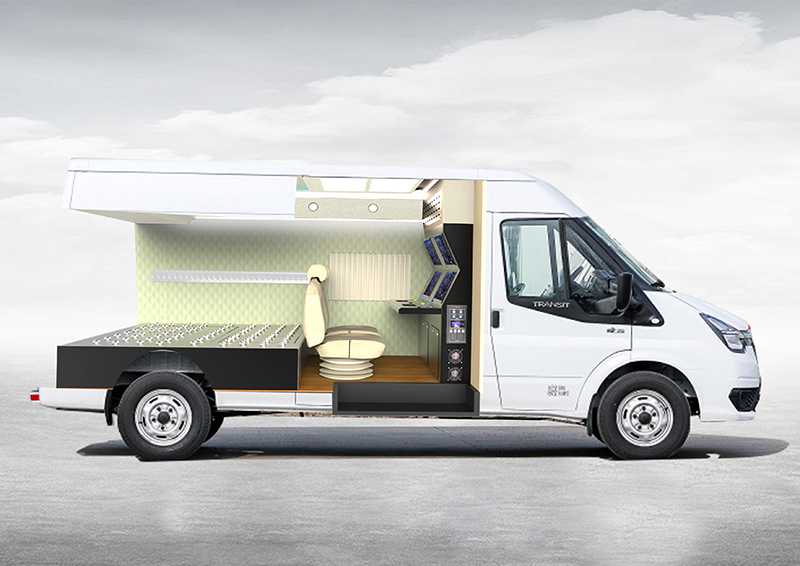
Mainstream Vehicle Types: SUV, Wide-body Light Passenger Vehicle, Medium Bus, Heavy Truck Shelter, etc.
Contact Us
Welcome to contact Hongyun Automobile at any time. We will provide you with comprehensive assistance:
✓To learn more about Hongyun Automobile's product information.
✓Providing you with suitable solutions.
✓Helping to advance your project.
✓ Get product quotation
Contact Us