
Specializing in special-purpose vehicles and multi-domain collaborative solutions.

Specializing in special-purpose vehicles and multi-domain collaborative solutions
Possesses efficient industry-specific solutions across various domains
Industry Overview
"Vehicle + Petrochemical Gas Protection System" solutions have wide applications. There are already multiple mature industry solutions available, and tailored solutions can be provided for petrochemical gas protection systems based on specific needs.
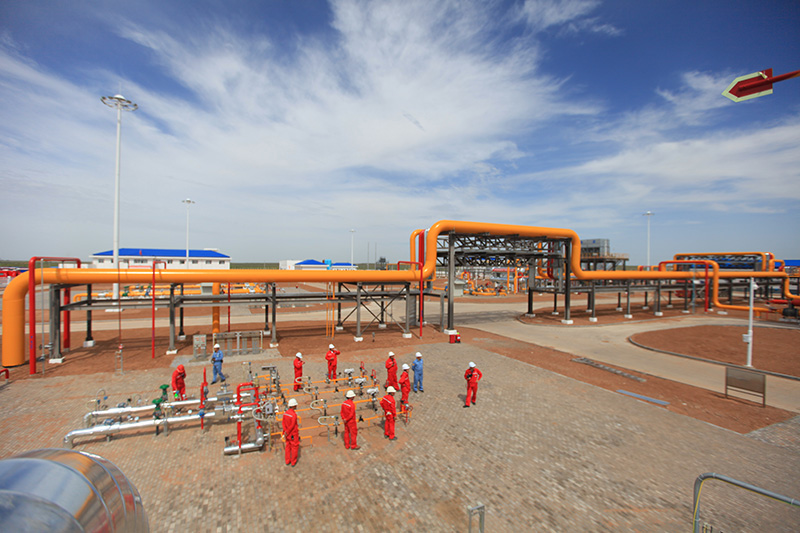
In the daily monitoring and emergency rescue operations of petroleum and petrochemical enterprises, environments such as reactors, distillation towers, boilers, pipelines, and underground utility tunnels are frequently encountered. These spaces are often confined and may contain toxic or hazardous gases. Using positive-pressure air respirators in such environments restricts personnel movement and poses risks of being obstructed. Difficulties in ingress and egress due to limited mobility make rescue operations time-consuming to estimate, and returning to replace air cylinders is inconvenient, significantly hindering monitoring and rescue activities. In these situations, deploying a specialized gas protection vehicle equipped with a high-performance long-hose respirator—capable of simultaneously supplying four users, with an air supply distance of 80-100 meters and a duration of 4 to 24 hours—can enhance rescuer safety and facilitate timely monitoring and rescue operations.
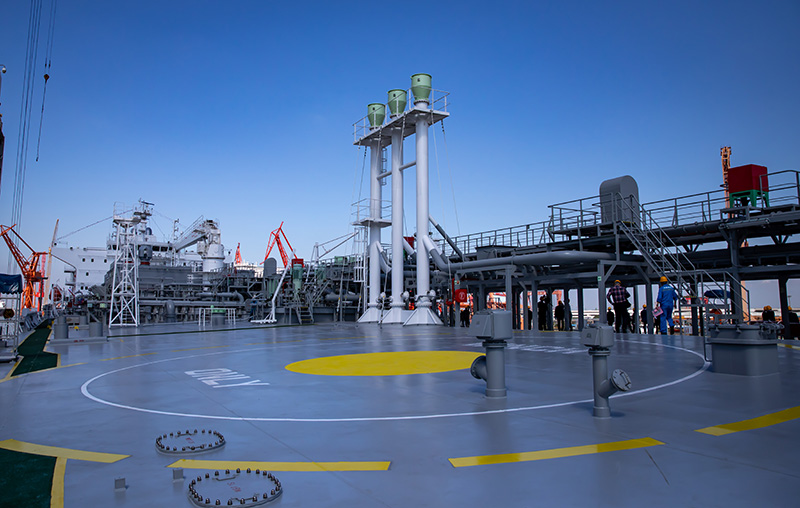
There is a need for more comprehensive on-site situation monitoring and command dispatch capabilities. In the aforementioned environments such as reactors, distillation towers, boilers, pipelines, and underground utility tunnels, internal conditions are complex. When personnel are in danger, it is difficult to detect promptly, and in most cases, by the time a hazard is discovered, the optimal rescue window has often been missed.
In such scenarios, deploying a specialized gas protection vehicle equipped with the following on-site monitoring and command dispatch functions allows monitoring personnel and rear command staff to gain timely and comprehensive situational awareness, make informed judgments, and take the most appropriate actions:
Audio and video from the area surrounding the gas protection vehicle is transmitted to the command center.
Data from networked gas detectors inside the gas protection vehicle is transmitted to the command center.
Operating parameters of the long-hose respirator carried on the gas protection vehicle are transmitted to the command center.
Networked four-in-one gas detectors carried by rescue personnel can transmit real-time environmental gas detection data every 2 seconds, penetrating the shielding of confined spaces to reach both the gas protection vehicle commanders and the command center.
Networked safety helmets or body-worn cameras worn by rescue personnel enable real-time audio/video communication, personnel status monitoring, personnel location tracking, and broadcast of instructions. These data also penetrate the shielding of confined spaces to reach both the gas protection vehicle commanders and the command center.
On-site commanders and the rear command center can promptly understand the situation through the audio/video communication equipment and gas detection devices carried by both the vehicle and rescue personnel. This enables commanders to direct the optimal actions, while the operational status of onboard equipment like the long-hose respirator can be simultaneously monitored by personnel both in the vehicle and at the control center.
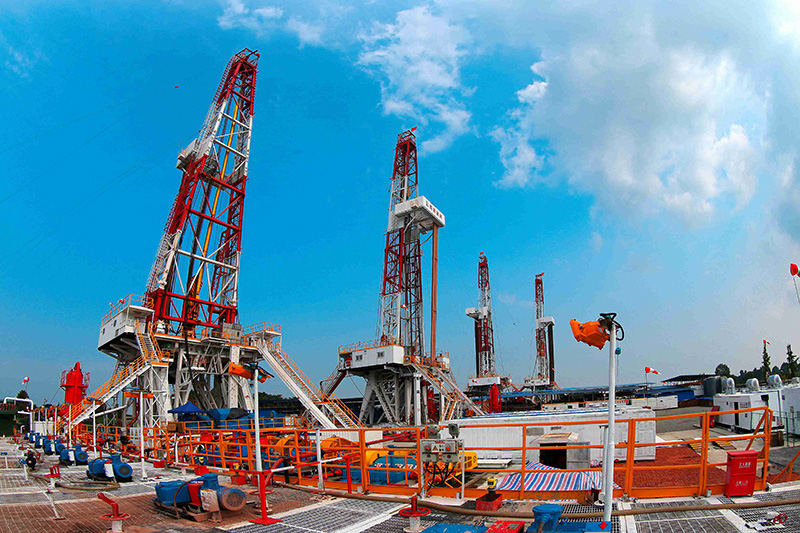
A gas protection vehicle consists of seven main components: the vehicle chassis, power supply system, vehicle environmental monitoring and alarm system, long-hose air supply system, individual equipment system, signal transmission system, and control and dispatch system.
Chassis: Models such as Iveco, Dongfeng, and Jiangling, equipped with seating for 8-9 persons, equipment cabinets, stretchers, lighting, etc.
Power Supply System: Equipped with a generator or lithium iron phosphate battery, providing outputs of 380V, 220V, and 12V power.
Vehicle Environmental Monitoring and Alarm System: The vehicle is fitted with audible and visual alarms and warning systems to alert pedestrians and operating personnel of hazards.
Long-hose Air Supply System: Comprises intake air quality detection linkage, backup air source, and air supply hoses.
Individual Equipment System: Standard configuration includes 2 explosion-proof smart safety helmets or 2 units of 5G explosion-proof smart recorders, and 2 customized explosion-proof networked four-in-one gas detectors.
Signal Transmission System: Consists of a confined-space signal shielding breakthrough system, an on-site 2km wireless ad-hoc network system, and the gas protection vehicle's internal network system.
Control and Dispatch System: Loaded with integrated communication command and dispatch console software. The system enables real-time viewing of communication resource status, touch-based command and dispatch operations, and supports multi-channel concurrency. It facilitates rapid leadership decision-making and precise command, suitable for applications such as daily command center dispatch and emergency incident response.
Chassis: Models such as Iveco, Dongfeng, and Jiangling, equipped with seating for 8-9 persons, equipment cabinets, stretchers, lighting, etc.
Power Supply System: Equipped with a generator or lithium iron phosphate battery, providing outputs of 380V, 220V, and 12V power.
Vehicle Environmental Monitoring and Alarm System: The vehicle is fitted with audible and visual alarms and warning systems to alert pedestrians and operating personnel of hazards.
Long-hose Air Supply System: Comprises intake air quality detection linkage, backup air source, and air supply hoses.
Individual Equipment System: Standard configuration includes 2 explosion-proof smart safety helmets or 2 units of 5G explosion-proof smart recorders, and 2 customized explosion-proof networked four-in-one gas detectors.
Signal Transmission System: Consists of a confined-space signal shielding breakthrough system, an on-site 2km wireless ad-hoc network system, and the gas protection vehicle's internal network system.
Control and Dispatch System: Loaded with integrated communication command and dispatch console software. The system enables real-time viewing of communication resource status, touch-based command and dispatch operations, and supports multi-channel concurrency. It facilitates rapid leadership decision-making and precise command, suitable for applications such as daily command center dispatch and emergency incident response.
Contact Us
Welcome to contact Hongyun Automobile at any time. We will provide you with comprehensive assistance:
✓To learn more about Hongyun Automobile's product information.
✓Providing you with suitable solutions.
✓Helping to advance your project.
✓ Get product quotation
Contact Us